Ingredients to Avoid in Dry Mouth Products: Potential Risks and Harms to Health and Safety
Avoid artificial sweeteners, alcohol, parabens, synthetic dyes, and undisclosed preservatives in dry mouth products as they can cause oral irritation, allergic reactions, and long-term health issues. Choose food-grade, GRAS-classified ingredients that provide safe, effective moisture management without compromising health or safety.
The dry mouth product market contains numerous ingredients that, while seemingly harmless or even beneficial in small quantities, can pose significant health risks when used regularly in oral care products. Understanding which ingredients to avoid and why they should be avoided represents a critical aspect of responsible dry mouth management, as certain substances can cause oral irritation, allergic reactions, immune system suppression, and long-term health complications. The key to safe dry mouth relief lies not just in what to include, but in what to exclude from moisture management solutions.
Identifying problematic ingredients and understanding their potential harms creates the foundation for making informed choices about dry mouth products that prioritize both immediate relief and long-term health protection.
Artificial Sweeteners and Sugar Substitutes
Artificial sweeteners commonly used in dry mouth products pose significant health risks despite their widespread acceptance in the food industry.
Aspartame and Artificial Sweetener Risks
- Neurological effects: Potential links to headaches, dizziness, and mood changes
- Metabolic disruption: May interfere with natural blood sugar regulation
- PKU complications: Dangerous for individuals with phenylketonuria
- Cancer concerns: Some studies link to increased cancer risk
- Gut microbiome disruption: Negative impact on beneficial oral bacteria
Sucralose and Chlorinated Compound Issues
- Chlorine byproducts: Potential formation of harmful chlorinated compounds
- Thyroid function interference: May affect thyroid hormone production
- Immune system modulation: Potential immunosuppressive effects
- Gastrointestinal distress: Can cause digestive discomfort and diarrhea
- Long-term safety unknowns: Limited data on extended usage effects
Alcohol and Ethanol-Based Ingredients
Alcohol-based ingredients in dry mouth products create significant oral health and safety concerns despite their antimicrobial properties.
Oral Tissue Damage
- Mucosal irritation: Drying and irritating delicate oral tissues
- Saliva suppression: Counterproductive drying effect on oral moisture
- Pain amplification: Increases discomfort in dry mouth conditions
- Taste alteration: Affects taste perception and food enjoyment
- Wound healing inhibition: Delays oral tissue repair and healing
Systemic Health Concerns
- Liver metabolism burden: Additional processing load on detoxification systems
- Drug interaction risks: Can enhance effects of medications and alcohol
- Cancer risk association: Linked to oral and throat cancer development
- Immune system suppression: Reduces local and systemic immune function
- Chronic disease contribution: May contribute to cardiovascular and metabolic issues
Parabens and Synthetic Preservatives
Paraben preservatives, while effective at preventing microbial growth, pose significant endocrine disruption and health risks.
Hormone Disruption Effects
- Estrogen mimicry: Can bind to estrogen receptors and disrupt hormone balance
- Thyroid function interference: May affect thyroid hormone regulation
- Fertility concerns: Linked to reduced fertility and reproductive issues
- Developmental effects: Potential impact on fetal development
- Cancer associations: Some parabens linked to breast cancer development
Immune and Allergic Responses
- Contact dermatitis: Skin and mucosal irritation reactions
- Allergic sensitization: Can trigger allergic responses over time
- Immune system modulation: May suppress or alter immune function
- Asthma exacerbation: Can worsen respiratory allergic conditions
- Multiple chemical sensitivity: Contributes to chemical sensitivity syndromes
Synthetic Dyes and Colorants
Synthetic colorants in dry mouth products pose both carcinogenic risks and behavioral concerns.
Carcinogenic and Toxic Effects
- Cancer risk association: Some dyes linked to cancer development
- Mutagenic potential: Can cause DNA damage and mutations
- Organ toxicity: Potential damage to liver, kidneys, and nervous system
- Bioaccumulation: May accumulate in body tissues over time
- Metabolic disruption: Interferes with normal metabolic processes
Behavioral and Neurological Concerns
- Hyperactivity association: Linked to attention and behavioral issues
- Neurodevelopmental effects: Potential impact on brain development
- Cognitive function interference: May affect memory and learning
- Mood alteration: Can influence emotional regulation
- Sleep disruption: May interfere with sleep patterns
Sodium Lauryl Sulfate (SLS) and Foaming Agents
SLS and similar surfactants, while creating foam in oral products, cause significant oral tissue damage and health concerns.
Oral Mucosa Damage
- Epithelial stripping: Removes protective layer from oral tissues
- Increased permeability: Allows harmful substances to penetrate oral tissues
- Canker sore formation: Can trigger aphthous ulcer development
- Taste bud disruption: Affects taste perception and food enjoyment
- Saliva inhibition: May reduce natural saliva production
Systemic Health Effects
- Endocrine disruption: Can interfere with hormone regulation
- Immune system effects: May alter immune function and response
- Liver metabolism burden: Increases detoxification system load
- Cancer concerns: Some studies link to cancer development
- Environmental persistence: Bioaccumulative and environmentally persistent
Artificial Flavors and Undisclosed Additives
Artificial flavor compounds and undisclosed additives create uncertainty about product safety and potential health impacts.
Hidden Ingredient Risks
- Allergen exposure: Undeclared allergens causing unexpected reactions
- Contaminant presence: Potential impurities from flavor manufacturing
- Solvent residues: Leftover chemicals from flavor extraction processes
- Heavy metal contamination: Trace metals from flavor production
- Microbial contamination: Bacterial or fungal growth in flavor concentrates
Long-Term Exposure Concerns
- Cumulative toxicity: Build-up of multiple artificial compounds
- Metabolic burden: Increased load on liver detoxification systems
- Hormone disruption: Potential endocrine system interference
- Immune sensitization: Development of allergic responses over time
- Cancer risk accumulation: Combined carcinogenic potential of multiple additives
Petrolatum and Petroleum-Derived Ingredients
Petrolatum and mineral oil derivatives pose contamination and absorption concerns in oral products.
Contamination Risks
- PAH contamination: Polycyclic aromatic hydrocarbons from petroleum refining
- Heavy metal presence: Trace metals from crude oil origins
- Carcinogenic impurities: Cancer-causing compounds in petroleum products
- Refining byproducts: Harmful residues from petroleum processing
- Environmental toxins: Persistent organic pollutants in petroleum sources
Systemic Absorption Concerns
- Bioaccumulation potential: Can accumulate in body tissues over time
- Hormone disruption: May interfere with endocrine system function
- Immune system effects: Potential immunosuppressive properties
- Developmental toxicity: Concerns for fetal and child development
- Long-term health risks: Unknown effects from chronic low-level exposure
SlopyMints's Clean Ingredient Philosophy
SlopyMints's formulation avoids all problematic ingredients, focusing exclusively on food-grade, GRAS-classified substances.
Problematic Ingredient Exclusion
- Zero artificial sweeteners: No aspartame, sucralose, or synthetic sweeteners
- Alcohol-free formulation: No ethanol or alcohol-based ingredients
- Paraben elimination: No synthetic preservatives or parabens
- Dye-free products: No synthetic colors or artificial dyes
- SLS avoidance: No sodium lauryl sulfate or harsh surfactants
Safe Alternative Selection
- Natural sweeteners: Stevia, monk fruit, and other plant-based options
- Food-grade preservatives: Natural antimicrobial compounds when needed
- Mineral-based colors: Natural mineral pigments for any coloring
- Gentle surfactants: Plant-derived, biodegradable cleaning agents
- Essential oil flavors: Pure, natural essential oil flavorings
Making Informed Product Choices
Avoiding harmful ingredients requires understanding product labels and making informed purchasing decisions.
Label Reading Strategies
- Ingredient list examination: Carefully review all listed ingredients
- Red flag identification: Recognize potentially harmful substance names
- Transparency assessment: Look for complete ingredient disclosure
- Source verification: Check for GRAS classification and food-grade status
- Third-party testing: Seek products with independent safety verification
Safe Product Selection Criteria
- Food-grade certification: Products meeting food industry safety standards
- Organic certification: Organic and non-GMO ingredient sources
- Allergen labeling: Clear allergen identification and warnings
- Clinical testing: Products backed by clinical safety studies
- Professional recommendations: Products endorsed by healthcare providers
Health Professional Consultation
When considering dry mouth products, consultation with healthcare professionals ensures safe, appropriate product selection.
Medical Guidance Benefits
- Individual health assessment: Personalized evaluation of health risks
- Medication interaction review: Assessment of potential drug interactions
- Allergy and sensitivity evaluation: Identification of personal risk factors
- Condition-specific recommendations: Tailored advice for specific health conditions
- Safety monitoring guidance: Instructions for safe product usage
Professional Monitoring Importance
- Adverse reaction detection: Early identification of safety concerns
- Usage adjustment: Modifications based on individual response
- Alternative recommendations: Suggestions for safer product options
- Long-term safety assurance: Ongoing monitoring of health impacts
- Treatment integration: Coordination with other medical treatments
The Clean Ingredient Advantage
Avoiding harmful ingredients and choosing clean, food-grade alternatives provides comprehensive health protection and superior product performance.
Health Protection Benefits
- Zero toxic exposure: Complete elimination of harmful substance risks
- Immune system support: No suppression of natural immune function
- Hormone balance preservation: Protection of endocrine system integrity
- Cancer risk reduction: Elimination of carcinogenic compound exposure
- Long-term wellness: Support for overall health and disease prevention
Product Performance Advantages
- Enhanced efficacy: Clean ingredients optimize moisture management effectiveness
- Improved tolerance: Reduced irritation and sensitivity reactions
- Better taste experience: Natural flavors enhance product acceptability
- Increased safety margin: Wide safety buffer for all user populations
- Sustainability benefits: Environmentally friendly ingredient choices
Final Thoughts: Clean Ingredients for Safe Relief
The choice to avoid harmful ingredients in dry mouth products represents a commitment to comprehensive health protection and responsible moisture management. By eliminating artificial sweeteners, alcohol, parabens, synthetic dyes, and other problematic substances, users can achieve effective dry mouth relief without compromising their health or safety. SlopyMints's clean, food-grade formulation demonstrates that superior moisture management can be achieved through safe, natural ingredients that protect rather than harm oral and systemic health.
Your dry mouth relief deserves the clean ingredient assurance that comes from avoiding harmful additives and choosing food-grade alternatives—the safe, effective moisture management that protects your health while providing the comfort and confidence you need for daily oral function.
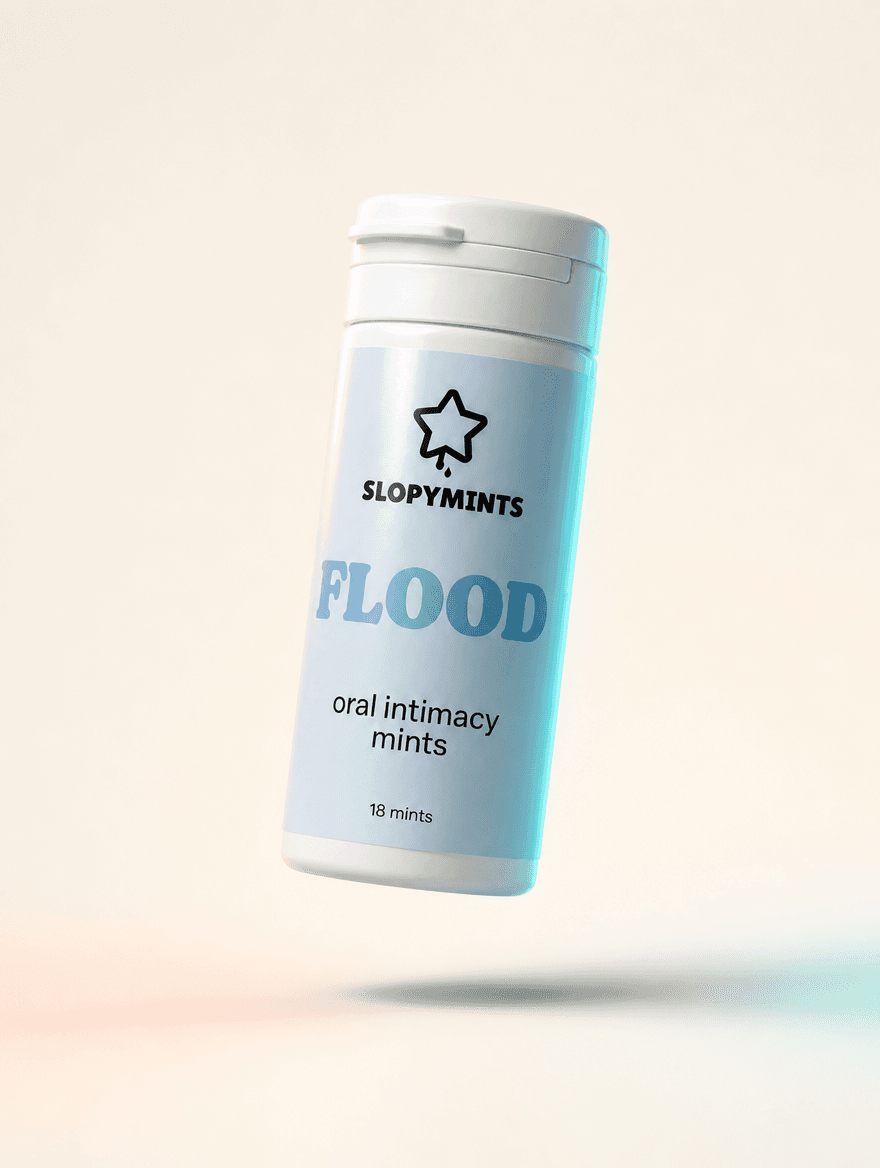
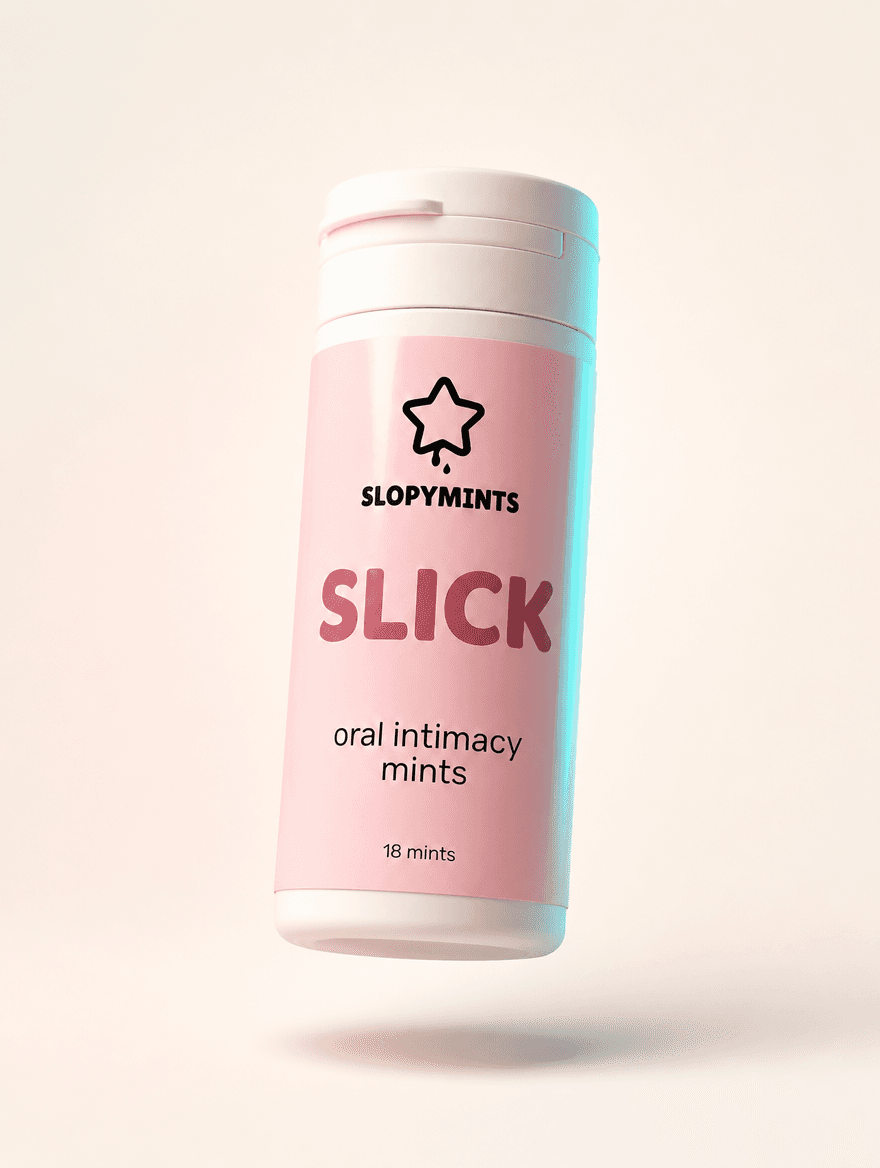
Shop Related Products
Read More Articles
What Causes Dry Mouth During Intimate Moments? Understanding the Hidden Triggers
Discover the surprising physiological, psychological, and environmental factors that cause dry mouth during intimate moments. Learn how stress, medications, and timing can affect your oral comfort and what you can do about it.
How Hydration Affects Oral Comfort: The Science Behind Moisture and Intimacy
Discover the critical role hydration plays in maintaining optimal saliva production and oral comfort during intimate moments. Learn how water intake, timing, and environmental factors combine to create the perfect moisture balance.