What Causes Dry Mouth During Intimate Moments? Understanding the Hidden Triggers
Dry mouth during intimacy isn't random—it's triggered by stress responses, medications, dehydration, and poor timing. Understanding these factors helps you predict and prevent discomfort before it starts.

There's nothing quite as frustrating as experiencing dry mouth right when intimacy heats up. Your mouth feels like the Sahara Desert, and what should be enjoyable becomes uncomfortable or even painful. But here's the truth: dry mouth during intimate moments isn't random. It's triggered by specific physiological, psychological, and environmental factors that you can learn to recognize and manage.
Understanding these triggers transforms dry mouth from an unpredictable annoyance into a manageable condition. When you know what's causing it, you can take proactive steps to prevent it, ensuring your intimate experiences remain comfortable and confident.
The Stress Response: Your Body's Hidden Saboteur
The most common trigger for dry mouth during intimacy is your body's stress response. When you feel nervous, excited, or anxious about an intimate encounter, your sympathetic nervous system kicks into high gear. This "fight or flight" response is designed to prepare you for danger, not pleasure.
How Stress Affects Saliva Production
During stress, your body redirects blood flow away from non-essential functions like digestion and saliva production. Instead, it prioritizes your heart, lungs, and muscles for immediate action. This evolutionary adaptation worked great when our ancestors were fleeing predators, but it's counterproductive during intimate moments.
The result? Reduced saliva flow. Your mouth becomes dry, your tongue feels thick, and swallowing becomes difficult. This creates a vicious cycle: dry mouth makes you more anxious, which further reduces saliva production.
Performance Anxiety: The Ultimate Dry Mouth Trigger
Performance anxiety is particularly insidious because it creates a self-fulfilling prophecy. You worry about your oral performance, which triggers stress, which causes dry mouth, which confirms your fears, creating even more anxiety.
This psychological trigger is so powerful that even thinking about intimacy can cause saliva production to drop. The anticipation alone can be enough to start the cycle.
Medications: The Silent Culprits
Many common medications cause dry mouth as a side effect, and their timing can be disastrous for intimate moments. If you take medication close to when you expect intimacy, you're setting yourself up for discomfort.
Common Medication Offenders
- Antihistamines: Used for allergies, colds, and hay fever. They block acetylcholine, a neurotransmitter involved in saliva production.
- Antidepressants: SSRIs and other antidepressants commonly cause dry mouth, especially during the first few weeks of use.
- Decongestants: Pseudoephedrine and similar drugs constrict blood vessels, reducing saliva flow.
- Anti-anxiety medications: Ironically, medications meant to reduce anxiety can cause dry mouth.
- Diuretics: Water pills increase urination, leading to dehydration and reduced saliva production.
- Pain medications: Many opioids and NSAIDs affect saliva production.
Timing Matters More Than You Think
The half-life of medications determines when their effects peak and diminish. For example:
- Antihistamines taken in the morning might still cause dry mouth 12-24 hours later
- Evening doses of blood pressure medication can affect you during nighttime intimacy
- Recreational substances like marijuana can cause dry mouth for hours after use
Dehydration: The Foundation of Dry Mouth
Your body needs water to produce saliva. Even mild dehydration can reduce saliva production by 20-30%. During intimate moments, when you're focused on pleasure rather than practicalities, dehydration can sneak up on you.
How Dehydration Happens During Intimacy
Several factors contribute to dehydration during intimate encounters:
- Heavy breathing: Passionate moments increase your breathing rate, expelling more moisture
- Alcohol consumption: Alcohol is a diuretic that increases urination and dehydration
- Room temperature: Warm environments increase sweating and moisture loss
- Duration: Longer intimate sessions increase overall fluid loss
Environmental Factors You Might Not Consider
Your surroundings play a bigger role in oral comfort than most people realize. The environment can either support or sabotage your saliva production.
Air Quality and Humidity
- Air conditioning: Dry air evaporates moisture from your mouth faster than you can replace it
- Heating systems: Winter heating dries out indoor air
- Altitude: Higher altitudes have lower humidity and can cause faster dehydration
- Air travel: Airplane cabins are notoriously dry environments
Timing and Daily Rhythms
Your body's natural rhythms affect saliva production:
- Circadian rhythms: Saliva production is lower at night, which is why morning intimacy often works better
- Meal timing: Eating close to intimacy can temporarily increase saliva production
- Caffeine timing: Morning coffee's dehydrating effects can last several hours
Hormonal Influences on Oral Moisture
Hormones play a significant role in saliva production and can vary throughout your life and monthly cycles.
Menstrual Cycle Effects
Many people experience increased dry mouth symptoms during certain phases of their menstrual cycle:
- Pre-menstrual phase: Hormonal changes can reduce saliva production
- Menstruation: Blood loss and hormonal shifts affect hydration
- Perimenopause and menopause: Declining estrogen levels reduce saliva production
Age-Related Changes
As we age, natural changes affect oral moisture:
- Reduced salivary gland function: Glands become less efficient with age
- Medication use increases: Older adults often take more medications that cause dry mouth
- Chronic health conditions: Conditions like diabetes and Sjögren's syndrome affect saliva production
Lifestyle Factors That Compound the Problem
Certain habits and lifestyle choices can make dry mouth during intimacy more likely:
Dietary Choices
- High-sodium foods: Salt increases thirst and can lead to dehydration
- Alcohol and caffeine: Both are diuretics that increase fluid loss
- Sugar-heavy diets: Can lead to yeast infections that affect oral comfort
Smoking and Tobacco Use
Smoking damages salivary glands and reduces saliva production. Even occasional smoking can have immediate effects on oral moisture. The chemicals in tobacco also affect taste perception and can make intimacy less enjoyable.
Medical Conditions That Cause Dry Mouth
Sometimes dry mouth during intimacy is a symptom of an underlying medical condition:
Autoimmune Disorders
- Sjögren's syndrome: An autoimmune condition that attacks salivary glands
- Lupus and rheumatoid arthritis: Can affect saliva production
Other Health Conditions
- Diabetes: High blood sugar affects saliva composition
- HIV/AIDS: Can cause dry mouth as a symptom
- Thyroid disorders: Both hypo- and hyperthyroidism can affect saliva production
- Anemia: Reduced oxygen-carrying capacity affects gland function
The Psychological Component: Mental Health and Dry Mouth
Mental health conditions can create a predisposition to dry mouth during stressful situations:
Anxiety Disorders
- Generalized anxiety: Constant low-level stress affects baseline saliva production
- Social anxiety: Fear of intimate situations triggers strong stress responses
- PTSD: Trauma responses can include dry mouth during triggering situations
Depression
Depression can affect oral health and saliva production through medication side effects and reduced self-care behaviors.
Breaking the Cycle: Proactive Solutions
Understanding your triggers is the first step to preventing dry mouth. Once you identify your personal risk factors, you can develop effective strategies to counteract them:
Timing Strategies
- Schedule intimacy when medications have worn off
- Choose times when you're naturally more relaxed
- Avoid intimacy after dehydrating activities
Preparation Techniques
- Hydrate thoroughly 2-3 hours before
- Practice relaxation techniques to reduce stress
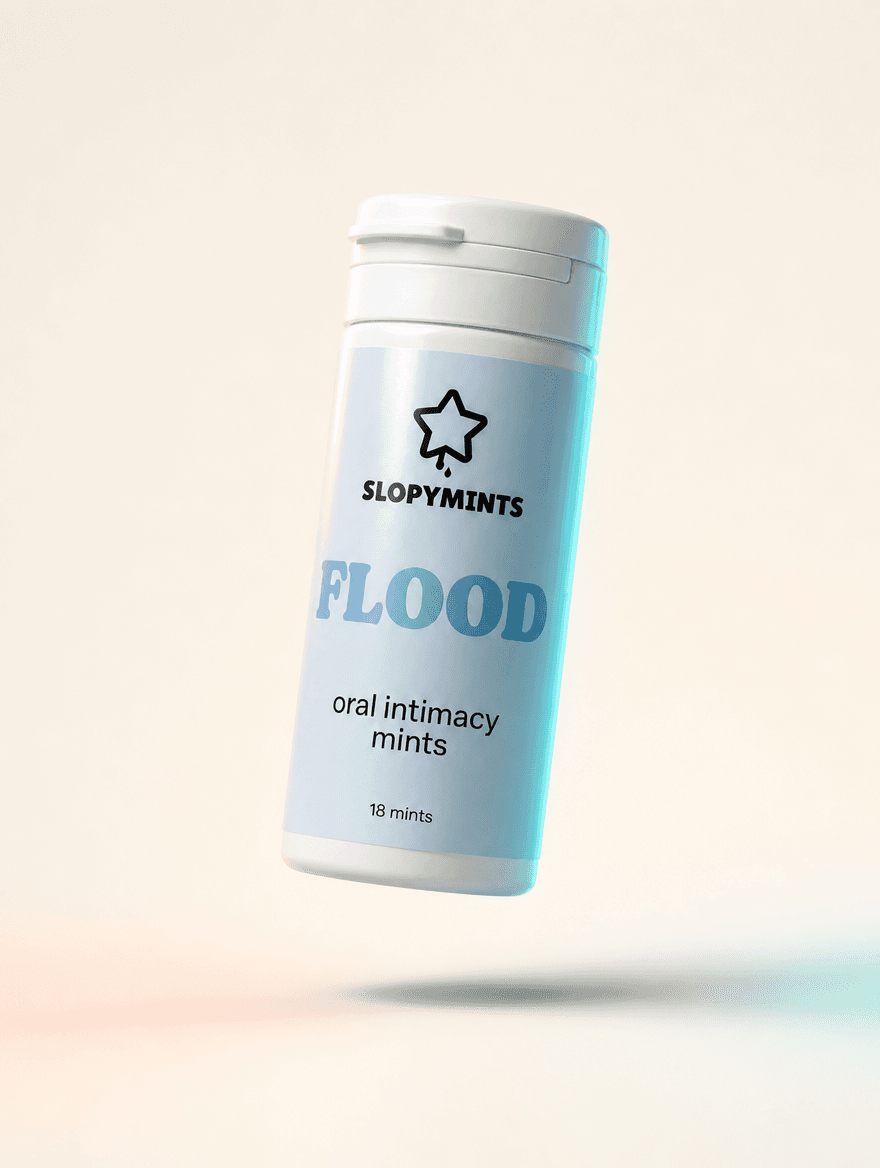
- Use preventive oral lubricants like The Flood for immediate hydration
Environmental Control
- Use humidifiers in dry environments
- Control room temperature
- Avoid alcohol and caffeine before intimacy
When to Seek Professional Help
If dry mouth during intimacy persists despite lifestyle changes, consider consulting healthcare professionals:
- Dentist: For oral health assessment and saliva production evaluation
- Primary care physician: To review medications and check for underlying conditions
- Therapist or counselor: For performance anxiety or relationship issues
The Good News: Most Dry Mouth Is Manageable
The vast majority of dry mouth during intimate moments is caused by temporary, manageable factors rather than serious medical conditions. By understanding your triggers and taking proactive steps, you can significantly reduce or eliminate dry mouth discomfort. The Flood is designed specifically to help you reclaim these moments.
Knowledge is power. When you understand why dry mouth happens, you can predict it, prevent it, and ensure your intimate experiences are comfortable and confident. The key is awareness, preparation, and the right tools for the job.
How SlopyMints Addresses the Root Causes
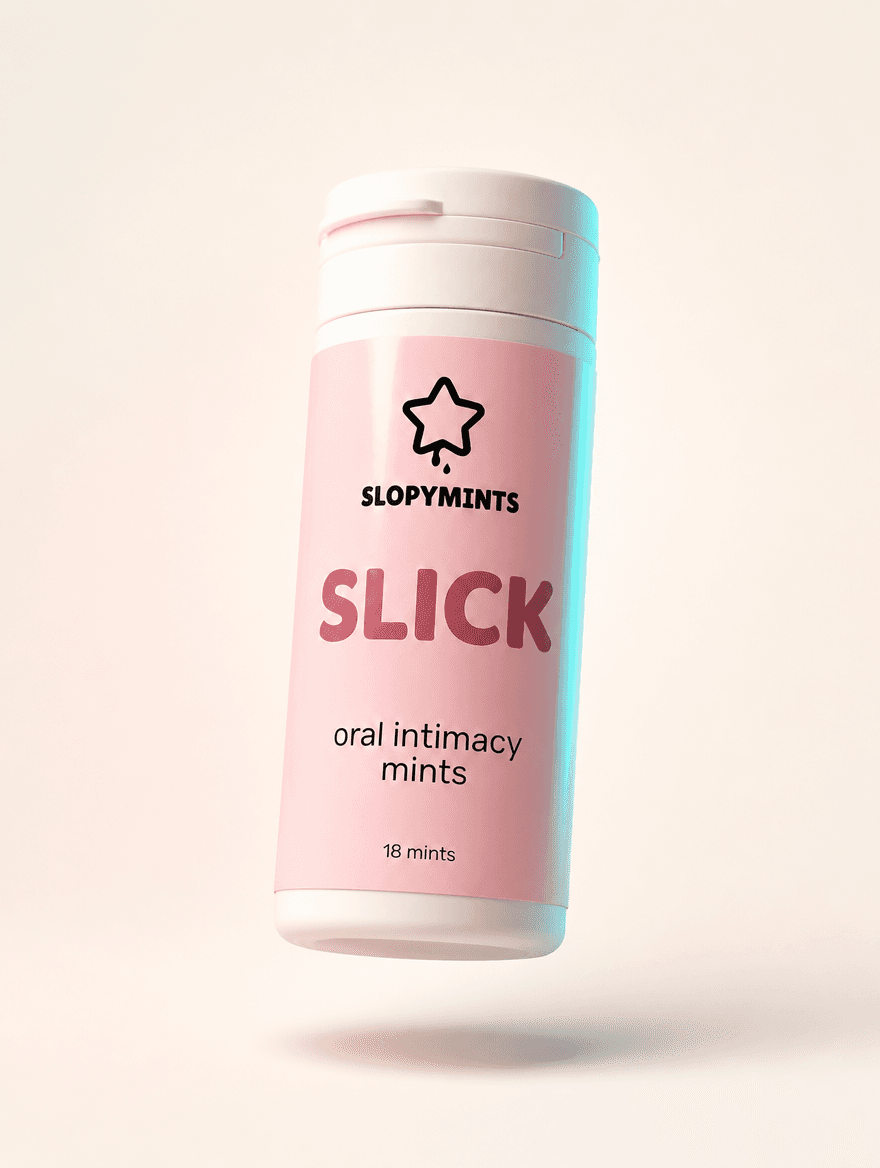
SlopyMints was designed with these triggers in mind. Our hydrocolloid-based formula provides reliable moisture that works regardless of your stress level, medication timing, or environmental conditions. Unlike temporary solutions, SlopyMints creates a protective moisture barrier that lasts, giving you confidence that your mouth will perform when you need it most.
Shop Related Products
Read More Articles
How Hydration Affects Oral Comfort: The Science Behind Moisture and Intimacy
Discover the critical role hydration plays in maintaining optimal saliva production and oral comfort during intimate moments. Learn how water intake, timing, and environmental factors combine to create the perfect moisture balance.
The Ultimate Guide to Oral Comfort & Confidence
Master the science of oral comfort and build unshakable confidence in intimate moments. Learn why saliva matters, how to prepare your mouth for long sessions, and practical strategies to eliminate dry mouth anxiety.