How Dry Mouth Destroys Confidence: The Hidden Impact on Intimate Self-Esteem and Performance Anxiety
Dry mouth triggers performance anxiety that diminishes intimate self-esteem, creating avoidance patterns that strain relationships. SlopyMints's reliable 45+ minute moisture eliminates oral uncertainty, rebuilding confidence through consistent intimate success and emotional security.

The impact of dry mouth on intimate confidence is devastating and often invisible to outsiders. What begins as a simple physical discomfort spirals into a complex web of performance anxiety, diminished self-esteem, and relationship strain that can fundamentally alter how individuals view themselves and their intimate capabilities. Understanding this hidden psychological toll is crucial for addressing the full scope of dry mouth's destructive effects.
The mouth serves as both a physical and emotional gateway to intimacy, making oral moisture issues far more than a mere inconvenience—they become confidence-eroding challenges that affect every aspect of intimate self-perception.
The Confidence Spiral: From Physical Discomfort to Emotional Crisis
Dry mouth initiates a destructive psychological cycle that progressively undermines intimate self-confidence and self-worth.
The Initial Physical Trigger
- Unexpected interruption: Dry mouth strikes during intimate moments, disrupting physical flow
- Performance focus shift: Attention moves from pleasure to managing oral discomfort
- Partner awareness: Significant other notices the interruption, creating external judgment
- Immediate embarrassment: First experience creates instant emotional discomfort
- Physical vulnerability: Oral exposure becomes a source of anxiety rather than pleasure
The Escalation to Performance Anxiety
- Anticipatory worry: Fear of dry mouth recurrence creates pre-intimate anxiety
- Self-doubt amplification: Each incident reinforces feelings of intimate inadequacy
- Performance pressure: Need to "perform" despite oral challenges increases stress
- Concentration disruption: Worry about dry mouth prevents full intimate engagement
- Emotional withdrawal: Fear of failure leads to emotional distancing during intimacy
The Chronic Self-Esteem Erosion
- Identity questioning: Repeated failures make individuals question their intimate desirability
- Self-worth diminishment: Oral issues become tied to overall self-value
- Confidence generalization: Dry mouth anxiety extends to other areas of self-assurance
- Relationship self-blame: Individuals internalize intimate difficulties as personal failings
- Long-term emotional impact: Chronic anxiety affects overall mental health and well-being
The Psychological Mechanisms of Confidence Destruction
Dry mouth exploits fundamental psychological processes that amplify its confidence-destroying effects during intimate situations.
Cognitive Distortion Patterns
- All-or-nothing thinking: "If I can't maintain oral comfort, I'm a failure at intimacy"
- Catastrophizing: "This dry mouth incident means my partner will reject me"
- Mind reading: "My partner must think I'm inadequate because of my dry mouth"
- Emotional reasoning: "I feel anxious, so I must be bad at intimacy"
- Labeling: "I'm a dry mouth sufferer" becomes core identity rather than symptom
Behavioral Avoidance Cycles
- Intimacy postponement: Delaying intimate encounters to avoid potential dry mouth
- Selective avoidance: Avoiding specific intimate activities prone to dry mouth
- Relationship withdrawal: Reducing intimate frequency to minimize anxiety exposure
- Communication avoidance: Not discussing dry mouth issues due to shame
- Social intimacy reduction: Avoiding situations that might lead to intimacy
Emotional Contagion Effects
- Partner anxiety transmission: Personal anxiety affects partner's comfort and enjoyment
- Relationship tension creation: Unresolved issues create subtle conflicts
- Mutual confidence erosion: One partner's anxiety affects both participants
- Intimacy quality reduction: Anxiety prevents full emotional and physical engagement
- Long-term relationship impact: Chronic anxiety strains relationship foundation
The Self-Esteem Ripple Effect
Dry mouth confidence issues don't remain contained—they spread to affect broader aspects of self-perception and relationship dynamics.
Intimate Self-Image Distortion
- Body image concerns: Oral issues become tied to physical attractiveness
- Sexual self-doubt: Questioning fundamental intimate capabilities and appeal
- Vulnerability avoidance: Fear of emotional exposure during intimate moments
- Desirability questioning: Wondering if dry mouth makes one "undesirable" as partner
- Intimate identity crisis: Dry mouth challenges core sense of intimate self
Relationship Confidence Erosion
- Partner satisfaction worry: Anxiety about not meeting partner's intimate needs
- Comparison anxiety: Fear that others don't struggle with dry mouth issues
- Commitment hesitation: Dry mouth anxiety affects long-term relationship decisions
- Communication barriers: Shame prevents open discussion of intimate challenges
- Emotional intimacy blocks: Anxiety creates barriers to deep relationship connection
Gender and Cultural Confidence Dynamics
Dry mouth confidence impacts vary by gender roles, cultural expectations, and societal intimate norms.
Gender-Specific Confidence Challenges
- Male performance pressure: Societal expectations amplify dry mouth performance anxiety
- Female emotional vulnerability: Cultural intimacy expectations heighten rejection fears
- Partner role expectations: Different societal pressures affect confidence responses
- Communication patterns: Gender differences in discussing intimate challenges
- Self-blame tendencies: Cultural factors influence how individuals internalize dry mouth issues
Cultural and Societal Influences
- Intimacy taboos: Cultural attitudes toward discussing oral/intimate issues
- Performance expectations: Societal standards for intimate "success"
- Shame and stigma: Cultural attitudes toward intimate health challenges
- Healthcare access: Cultural barriers to seeking help for intimate confidence issues
- Relationship norms: Cultural expectations for intimate communication and disclosure
Breaking the Confidence Destruction Cycle
Understanding the psychological mechanisms allows for targeted interventions to rebuild intimate confidence and self-esteem.
Confidence Reconstruction Strategies
- Reliable comfort foundation: Eliminating dry mouth uncertainty through proven solutions
- Gradual exposure: Building confidence through successive positive intimate experiences
- Cognitive restructuring: Challenging distorted beliefs about dry mouth and intimacy
- Communication skills: Learning to discuss intimate challenges openly with partners
- Professional support: Working with therapists or counselors for confidence rebuilding
Emotional Recovery Process
- Self-compassion development: Replacing self-judgment with understanding and kindness
- Achievement celebration: Acknowledging progress in intimate confidence rebuilding
- Relationship rebuilding: Repairing confidence damage in existing intimate partnerships
- Identity reconstruction: Separating dry mouth symptoms from core intimate self-worth
- Long-term resilience: Building lasting confidence that withstands occasional setbacks
SlopyMints's Confidence Restoration Technology
SlopyMints provides the technological foundation for breaking the dry mouth confidence destruction cycle through reliable, scientifically engineered comfort.
Psychological Benefits of Reliability
- Anxiety elimination: Knowing dry mouth won't interrupt intimate moments
- Performance confidence: 45+ minutes of guaranteed moisture restores self-assurance
- Emotional freedom: Focus on pleasure rather than oral management
- Relationship enhancement: Improved intimacy strengthens emotional bonds
- Self-esteem rebuilding: Consistent success restores intimate self-worth
Evidence-Based Confidence Building
- Clinical validation: Research-backed effectiveness eliminates doubt and uncertainty
- Real-world results: Actual user experiences demonstrate confidence restoration
- Partner satisfaction: Enhanced mutual enjoyment builds relationship confidence
- Long-term success: Sustained moisture reliability creates lasting self-assurance
- Quality of life improvement: Restored intimate confidence affects overall well-being
The Path to Confidence Recovery
Rebuilding intimate confidence after dry mouth erosion requires a comprehensive approach combining technology, psychology, and relationship support.
Immediate Confidence Interventions
- Reliable moisture solution: SlopyMints provides immediate dry mouth elimination
- Success experience creation: First positive intimate experiences begin confidence rebuilding
- Partner communication: Open discussion reduces isolation and shame
- Mindfulness practices: Present-moment focus during intimacy reduces anxiety
- Gradual progression: Building confidence through increasingly challenging intimate scenarios
Sustained Confidence Development
- Consistent reliability: Ongoing moisture assurance prevents anxiety recurrence
- Relationship strengthening: Improved intimacy enhances emotional security
- Self-compassion cultivation: Replacing self-criticism with understanding
- Professional guidance: Therapy or counseling for deep confidence work
- Lifestyle integration: Making confidence-building practices part of daily life
Partner Support in Confidence Rebuilding
Partners play crucial roles in helping individuals rebuild intimate confidence affected by dry mouth issues.
Supportive Partner Behaviors
- Patience and understanding: Recognizing dry mouth as medical issue, not personal failing
- Communication encouragement: Creating safe space for discussing intimate challenges
- Joint problem-solving: Working together to find moisture solutions
- Emotional reassurance: Providing affirmation of desirability and worth
- Shared intimacy exploration: Discovering new ways to enjoy intimacy together
Relationship Healing Strategies
- Confidence rebuilding exercises: Partner-supported intimate confidence activities
- Mutual vulnerability sharing: Both partners sharing intimate insecurities
- Celebration of progress: Acknowledging improvements in intimate comfort
- Professional couples counseling: Working with therapists on confidence issues
- Relationship strengthening: Using improved intimacy to enhance overall connection
Professional Support for Severe Confidence Issues
When dry mouth has severely eroded intimate confidence, professional therapeutic intervention may be necessary.
Therapeutic Approaches
- Cognitive behavioral therapy: Addressing distorted thinking patterns about intimacy
- Sex therapy: Specialized support for intimate confidence and performance issues
- Couples counseling: Working on relationship dynamics affected by confidence issues
- Mindfulness training: Building present-moment awareness during intimate activities
- Exposure therapy: Gradual confidence rebuilding through controlled intimate experiences
Medical and Psychological Integration
- Underlying cause treatment: Addressing root causes of dry mouth alongside confidence work
- Medication review: Working with physicians to minimize drying side effects
- Holistic health approach: Combining physical and psychological health interventions
- Progress monitoring: Tracking both physical symptom improvement and confidence gains
- Integrated care coordination: Coordinating between medical and mental health providers
The Long-Term Confidence Legacy
Successfully addressing dry mouth confidence issues creates lasting improvements that extend beyond intimate situations.
Broader Self-Esteem Benefits
- General confidence enhancement: Intimate success builds overall self-assurance
- Emotional resilience: Overcoming dry mouth challenges builds coping skills
- Relationship strength: Improved intimacy enhances overall relationship quality
- Mental health improvement: Reduced anxiety affects general well-being
- Quality of life enhancement: Restored intimate confidence improves daily satisfaction
Preventive Confidence Maintenance
- Ongoing moisture assurance: Reliable solutions prevent confidence erosion recurrence
- Healthy intimacy habits: Building practices that maintain intimate well-being
- Open communication patterns: Sustained honest discussion of intimate needs
- Relationship investment: Ongoing work to maintain intimate connection quality
- Personal growth continuation: Using confidence gains for broader self-improvement
Final Thoughts: Confidence Reclaimed
Dry mouth's destruction of intimate confidence is one of its most devastating but least visible impacts. The physical discomfort is merely the trigger for a cascade of psychological effects that can undermine self-esteem, damage relationships, and create lasting emotional scars. But this destruction is not irreversible—through reliable oral comfort solutions like SlopyMints, combined with psychological support and relationship work, individuals can rebuild their intimate confidence and reclaim the emotional security they deserve.
Your intimate confidence matters, and dry mouth doesn't have to be its destroyer. With the right combination of technology, understanding, and support, you can transform dry mouth from a confidence-eroding burden into just another manageable aspect of health—one that no longer stands between you and the intimate fulfillment you deserve.
Don't let dry mouth steal your intimate self-worth. Choose the confidence-restoring solutions that allow you to show up fully in your most vulnerable moments, creating the intimate experiences that affirm rather than diminish your sense of self.
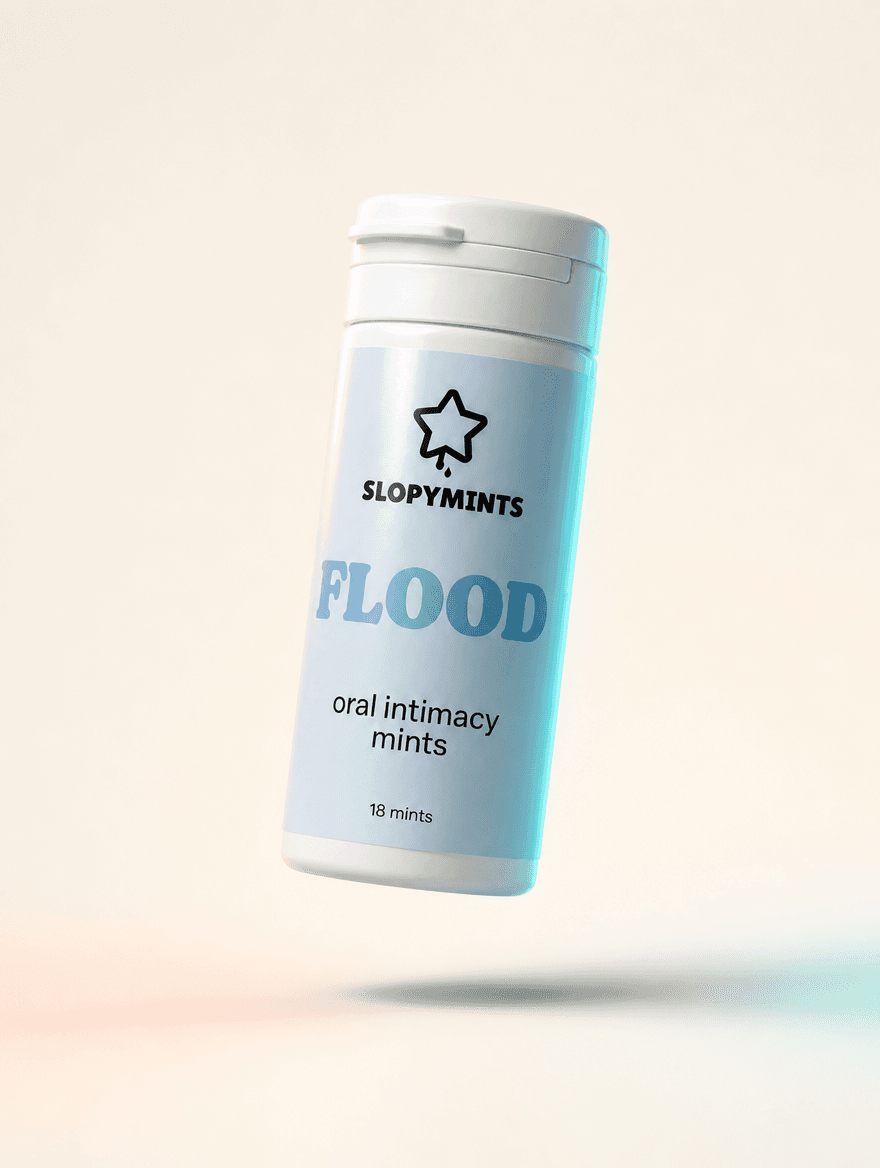
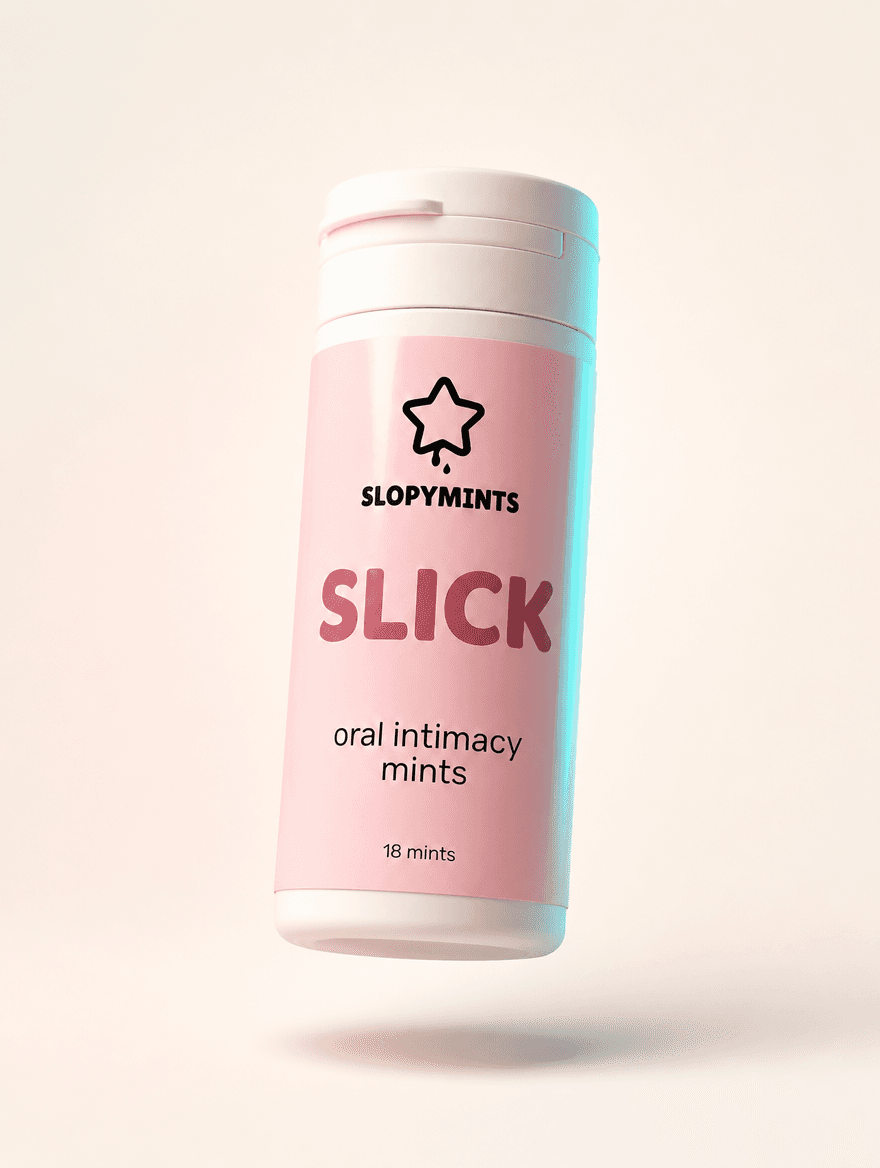
Shop Related Products
Read More Articles
What Causes Dry Mouth During Intimate Moments? Understanding the Hidden Triggers
Discover the surprising physiological, psychological, and environmental factors that cause dry mouth during intimate moments. Learn how stress, medications, and timing can affect your oral comfort and what you can do about it.
How Hydration Affects Oral Comfort: The Science Behind Moisture and Intimacy
Discover the critical role hydration plays in maintaining optimal saliva production and oral comfort during intimate moments. Learn how water intake, timing, and environmental factors combine to create the perfect moisture balance.