How Hydration Affects Oral Comfort: The Science Behind Moisture and Intimacy
Proper hydration is the foundation of oral comfort—your body needs water to produce saliva. Strategic hydration 2-3 hours before intimacy, combined with avoiding dehydrating substances, creates the moisture foundation for confident, comfortable intimate experiences.
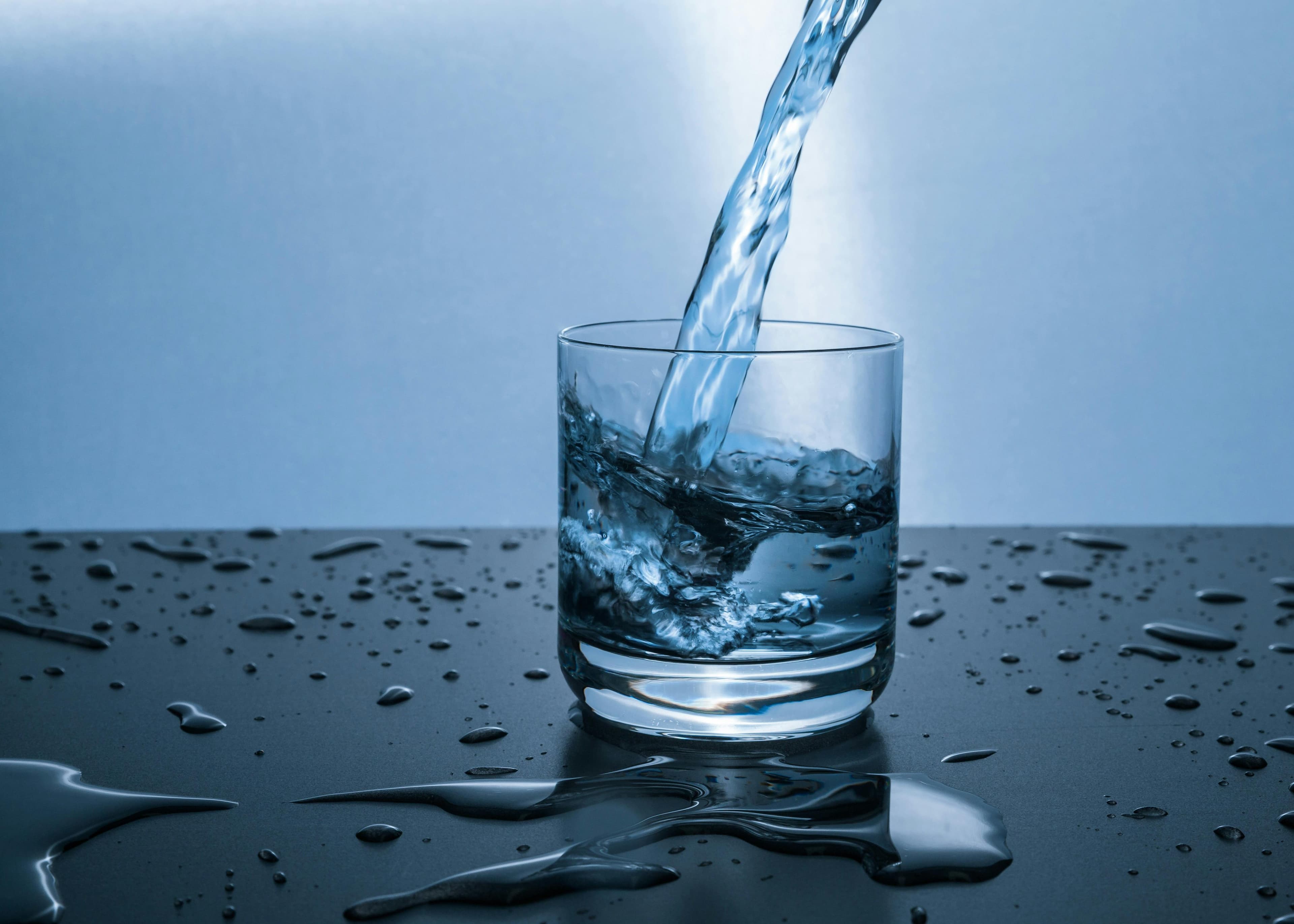
When it comes to oral comfort during intimate moments, hydration isn't just important—it's absolutely critical. Your body's ability to maintain the perfect moisture balance depends entirely on how well-hydrated you are. Without proper hydration, even the best preparation techniques and lubricants will fall short.
Understanding the relationship between hydration and oral comfort transforms how you approach intimate wellness. It's not just about drinking water—it's about strategic hydration that supports your body's natural moisture production systems.
The Hydration-Saliva Connection
Your mouth's moisture comes primarily from saliva, which is 99% water. When you're properly hydrated, your salivary glands can produce adequate saliva to keep your mouth comfortable. When you're dehydrated, even mildly, saliva production drops dramatically.
How Dehydration Impacts Oral Function
Even 1-2% dehydration can reduce saliva production by 20-30%. This creates a cascade of oral discomfort:
- Reduced lubrication: Less saliva means more friction during intimate activities
- Thicker saliva: Dehydration makes saliva more viscous, less effective at lubricating
- Increased sensitivity: Dry tissues become more sensitive to touch and movement
- Slower recovery: Dehydrated tissues take longer to return to normal moisture levels
Strategic Hydration Timing for Intimate Comfort
The timing of your hydration is as important as the amount. Drinking water right before intimacy doesn't provide immediate relief because your body needs time to process and distribute the water.
The 2-3 Hour Rule
For optimal oral comfort during intimate moments, focus your hydration efforts 2-3 hours before anticipated intimacy. This allows:
- Water to reach your salivary glands and increase production
- Your body to achieve full hydration saturation
- Time for any excess water to be processed (avoiding the need to urinate)
- Peak saliva production to coincide with your intimate activities
Pre-Intimacy Hydration Protocol
- Start early: Begin hydrating 3 hours before if possible
- Sip consistently: Drink small amounts regularly rather than gulping
- Monitor urine color: Aim for pale yellow urine as a hydration indicator
- Avoid over-hydration: Stop drinking 30-60 minutes before to prevent interruptions
Environmental Factors That Affect Hydration Needs
Your hydration requirements increase based on environmental conditions that steal moisture from your body and mouth.
Climate and Air Quality
- Hot environments: Increased sweating requires more hydration
- Dry air: Air conditioning and heating systems evaporate moisture from your mouth
- High altitude: Lower humidity and pressure increase dehydration risk
- Air travel: Pressurized cabins are extremely dry
Activity Level Impact
- Exercise: Physical activity increases fluid loss through sweat
- Heavy breathing: Passionate intimacy itself causes moisture loss
- Speaking extensively: Talking dries out your mouth quickly
- Stress and anxiety: Can increase breathing rate and fluid loss
Dehydrating Substances to Avoid Before Intimacy
Certain foods, beverages, and substances actively work against your hydration efforts. Knowing what to avoid (and when) is crucial for maintaining oral comfort.
Beverages That Dehydrate
- Alcohol: A powerful diuretic that increases urine production by 2-3x
- Caffeine: Acts as a mild diuretic and can reduce saliva production
- Carbonated drinks: Can cause belching and dry mouth
- Energy drinks: High caffeine and sugar content dehydrate quickly
Foods That Impact Hydration
- Salty foods: High sodium increases thirst but can temporarily reduce saliva
- Sugary foods: Sugar feeds oral bacteria that can affect moisture balance
- Spicy foods: Capsaicin can temporarily reduce saliva production
- Dry foods: Crackers and breads absorb moisture from your mouth
Medications and Supplements
- Diuretics: Water pills designed to increase urine output
- Antihistamines: Common cold medications that dry out mucous membranes
- Decongestants: Nasal sprays and oral decongestants reduce moisture
- Certain vitamins: High doses of some supplements can act as diuretics
Hydration Myths That Sabotage Oral Comfort
Several common misconceptions about hydration prevent people from achieving optimal oral moisture during intimacy.
Myth 1: Any Liquid Counts
Not all liquids hydrate equally. Coffee, tea, alcohol, and sugary drinks can actually dehydrate you further, working against your oral comfort goals.
Myth 2: You Can Hydrate Right Before Intimacy
Gulping water 10 minutes before intimacy doesn't provide immediate oral relief. Your body needs time to process and distribute water to your salivary glands.
Myth 3: Thirst Means You're Already Dehydrated
By the time you feel thirsty, you're already mildly dehydrated. Proactive hydration prevents the thirst sensation from developing.
Myth 4: Sports Drinks Are Best for Hydration
While sports drinks contain electrolytes, their sugar content can cause oral health issues and doesn't provide the clean hydration water offers.
The Science of Saliva Production and Hydration
Understanding how your body produces saliva helps you optimize your hydration strategy for intimate comfort.
How Saliva Glands Work
Your mouth contains three pairs of major salivary glands plus hundreds of minor glands:
- Parotid glands: Produce serous saliva (watery, enzyme-rich)
- Submandibular glands: Produce mixed serous-mucous saliva
- Sublingual glands: Produce mucous saliva (thicker, more viscous)
- Minor glands: Provide constant basal saliva production
Hydration's Impact on Saliva Composition
- Well-hydrated: Produces more saliva with better lubricating properties
- Mildly dehydrated: Saliva becomes thicker and less effective
- Moderately dehydrated: Saliva production drops by 20-30%
- Severely dehydrated: Saliva glands may temporarily shut down
Measuring Your Hydration Status
Several simple indicators can help you assess whether you're properly hydrated for intimate comfort.
Physical Indicators
- Urine color: Pale yellow or clear indicates good hydration
- Mouth moisture: Your mouth should feel moist without excess saliva
- Skin turgor: Well-hydrated skin bounces back quickly when pinched
- Energy levels: Proper hydration supports sustained energy
Oral-Specific Signs
- Saliva consistency: Should be thin and watery, not thick and ropey
- Swallowing ease: Should be easy without conscious effort
- Tongue mobility: Should move freely without sticking to mouth surfaces
- Breath comfort: Should be able to breathe through mouth without discomfort
Advanced Hydration Strategies for Optimal Oral Comfort
Beyond basic water intake, several advanced techniques can enhance your oral moisture during intimate moments.
Electrolyte Balance
Proper electrolyte levels support saliva production and moisture retention:
- Sodium: Helps retain water in cells
- Potassium: Supports cellular hydration
- Magnesium: Helps regulate saliva production
- Calcium: Supports salivary gland function
Humidity Control
- Use humidifiers: Add moisture to dry environments
- Avoid dry locations: Choose intimate settings with adequate humidity
- Breathing techniques: Nasal breathing retains more moisture than mouth breathing
- Room temperature: Cooler rooms reduce moisture evaporation
When Hydration Alone Isn't Enough
Sometimes optimal hydration still doesn't provide sufficient oral comfort during intimate moments. This is where supplemental moisture becomes necessary.
Signs You Need Additional Support
- Chronic dry mouth: Even when well-hydrated, your mouth remains dry
- Medications: Certain drugs reduce saliva production regardless of hydration
- Medical conditions: Sjögren's syndrome or other conditions affect saliva production
- High-stress situations: Anxiety can override even perfect hydration
Combining Hydration with Oral Lubricants
The most effective approach combines strategic hydration with targeted oral moisture supplements:
- Baseline hydration: Ensures your body can produce saliva
- Supplemental moisture: Provides immediate relief when needed
- Preventive application: Use lubricants before saliva production drops
- Maintenance dosing: Reapply as needed during extended intimacy
The Hydration-Confidence Connection
Proper hydration doesn't just create physical comfort—it builds mental confidence. When you know your mouth will stay moist and comfortable, anxiety about intimate performance decreases significantly.
This confidence creates a positive feedback loop: less anxiety leads to better natural saliva production, which further reduces the need for intervention. The result is more natural, enjoyable intimate experiences.
SlopyMints: Hydration's Perfect Partner
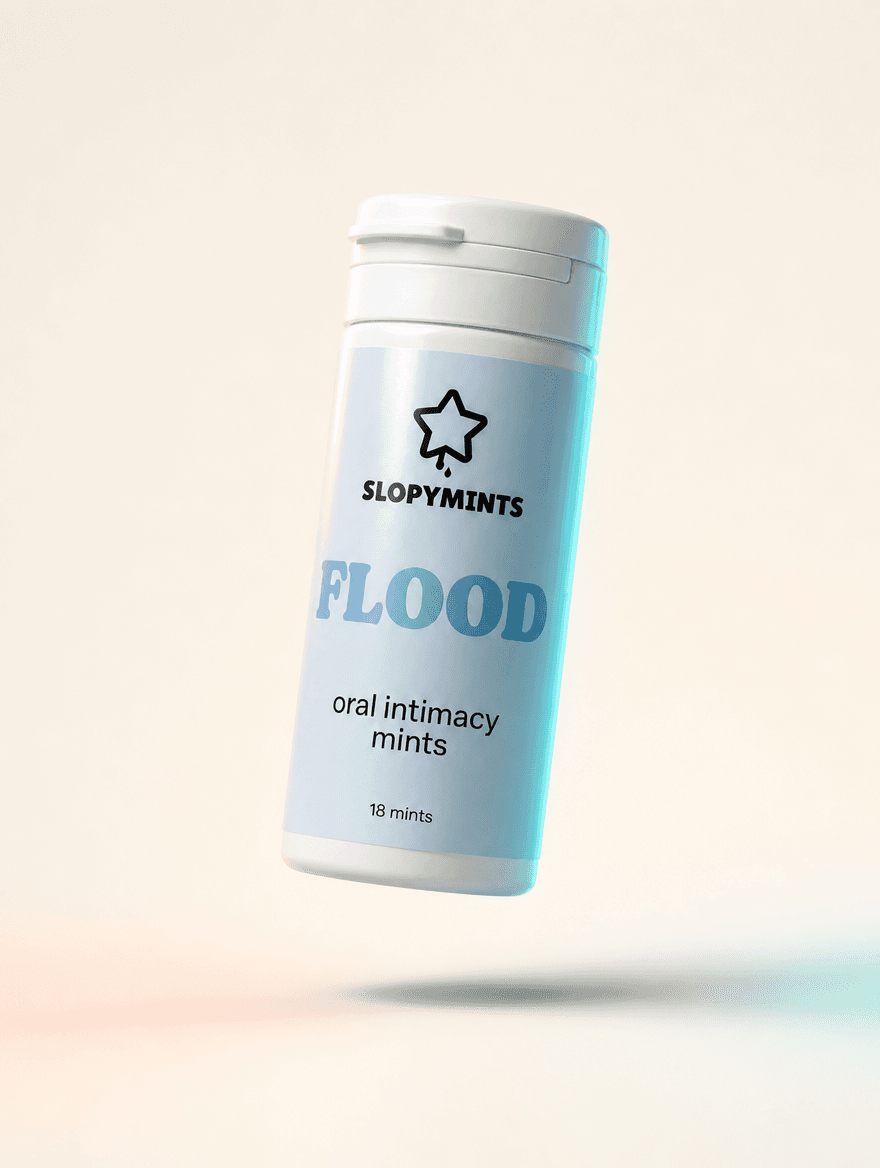
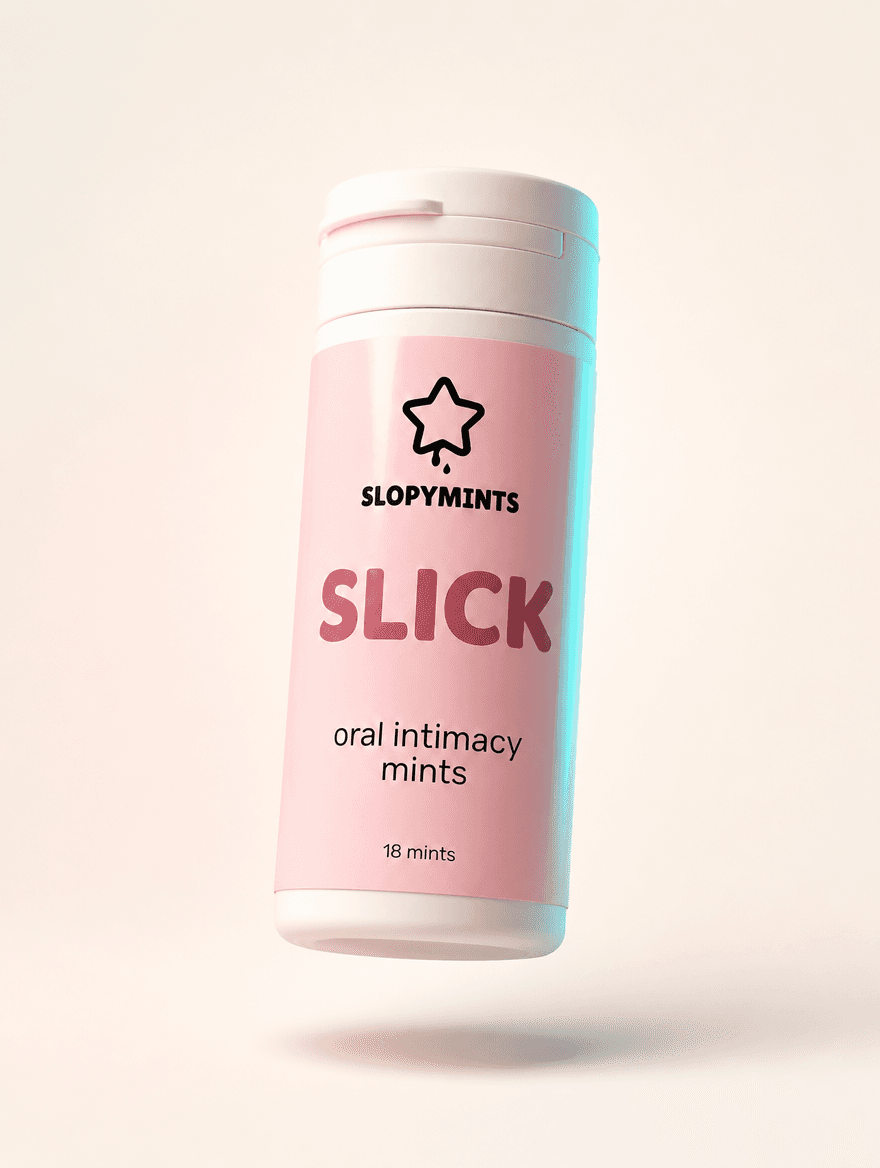
SlopyMints works synergistically with proper hydration to provide unmatched oral comfort. Our hydrocolloid formula retains moisture longer than water alone, ensuring your mouth stays comfortable even during extended intimate sessions.
While hydration provides the foundation, SlopyMints delivers the reliability. Together, they create the perfect moisture environment for confident, comfortable intimacy.
Creating Your Hydration Routine for Oral Comfort
Building consistent hydration habits ensures reliable oral comfort during intimate moments:
Daily Hydration Goals
- Calculate your needs: Body weight × 30ml = daily water requirement
- Set reminders: Use apps or alarms to maintain consistent intake
- Track progress: Monitor urine color and energy levels
- Adjust for activity: Increase intake during exercise or heat
Pre-Intimacy Preparation
- Hydrate strategically: Focus on the 2-3 hour window before intimacy
- Avoid dehydrators: Skip alcohol, caffeine, and salty foods
- Choose wisely: Opt for settings with good humidity
- Prepare supplements: Have SlopyMints ready for additional support
Monitoring and Adjustment
- Track effectiveness: Note what works best for your body
- Adjust for medications: Account for any dehydrating drugs
- Consider environment: Factor in climate and air quality
- Build habits: Make hydration a consistent part of your wellness routine
Final Thoughts: Hydration as the Foundation
Oral comfort during intimate moments begins with proper hydration. It's the foundation upon which all other comfort strategies build. Without adequate hydration, even the most advanced oral lubricants struggle to provide lasting relief.
By understanding your body's hydration needs and timing your water intake strategically, you create the optimal conditions for natural saliva production. Combine this with targeted moisture supplements like SlopyMints, and you'll enjoy consistently comfortable, confident intimate experiences.
Remember: hydration isn't just about drinking water—it's about drinking it at the right time, in the right amounts, and avoiding the substances that work against you. Master this foundation, and oral comfort becomes your natural state.
Shop Related Products
Read More Articles
What Causes Dry Mouth During Intimate Moments? Understanding the Hidden Triggers
Discover the surprising physiological, psychological, and environmental factors that cause dry mouth during intimate moments. Learn how stress, medications, and timing can affect your oral comfort and what you can do about it.
The Ultimate Guide to Oral Comfort & Confidence
Master the science of oral comfort and build unshakable confidence in intimate moments. Learn why saliva matters, how to prepare your mouth for long sessions, and practical strategies to eliminate dry mouth anxiety.