Medications That Can Cause Dry Mouth: What You Need to Know for Intimate Comfort
Many medications reduce saliva production, but you don't have to sacrifice intimate comfort. Understanding your medications' effects and timing them properly can prevent dry mouth during intimate moments.
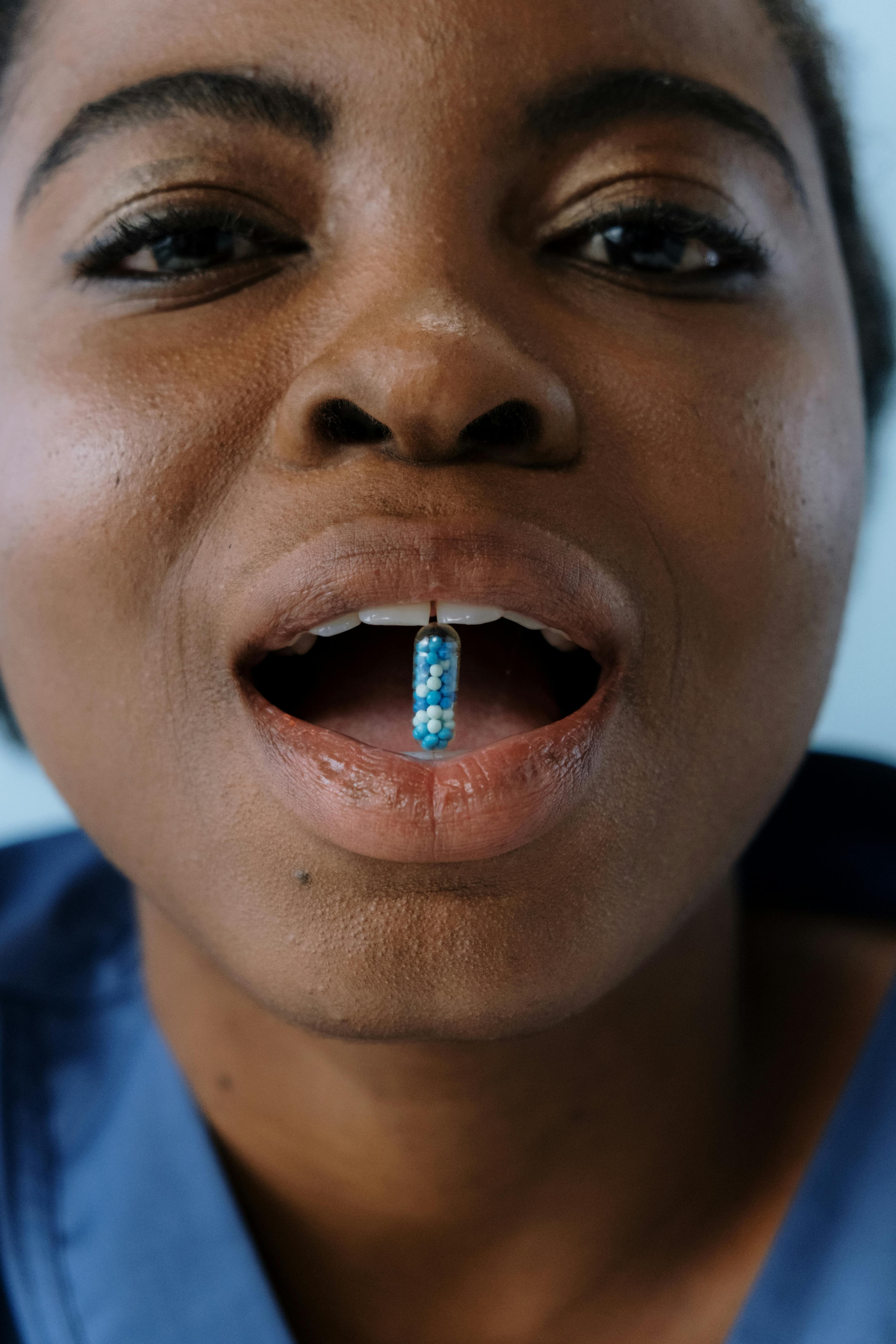
If you're taking medications and experiencing dry mouth during intimate moments, you're not alone. Many common medications have dry mouth as a side effect, and this can significantly impact your oral comfort and confidence. The good news is that understanding which medications cause dry mouth and how to manage their effects can help you maintain comfortable intimacy.
From antihistamines for allergies to antidepressants for mental health, medications that affect your nervous system or bodily fluids can reduce saliva production. Knowing which drugs are most likely to cause problems—and what you can do about it—empowers you to take control of your intimate comfort.
How Medications Cause Dry Mouth
Medications can cause dry mouth through several mechanisms:
Anticholinergic Effects
- Nervous system blockade: Many medications block acetylcholine, a neurotransmitter involved in saliva production
- Gland inhibition: Salivary glands are less stimulated, reducing fluid secretion
- Duration varies: Effects can last from hours to days depending on the medication
Diuretic Effects
- Increased urination: Some medications cause your body to lose more water
- Dehydration: Reduced body water affects saliva production
- Electrolyte imbalance: Changes in sodium and potassium levels impact gland function
Direct Gland Effects
- Cellular changes: Some drugs alter salivary gland cells directly
- Inflammation: Certain medications can cause gland inflammation
- Long-term damage: Prolonged use may lead to permanent gland changes
Common Medications That Cause Dry Mouth
Certain classes of medications are particularly notorious for causing dry mouth:
Antihistamines (Allergy Medications)
- First-generation: Diphenhydramine (Benadryl), chlorpheniramine – very drying
- Second-generation: Loratadine (Claritin), cetirizine (Zyrtec) – less drying but still problematic
- Why they affect intimacy: Often taken daily for chronic allergies
- Peak effect: Usually within 1-2 hours of dosing
Antidepressants
- SSRIs: Fluoxetine (Prozac), sertraline (Zoloft), paroxetine (Paxil)
- Tricyclic antidepressants: Amitriptyline, nortriptyline – particularly drying
- SNRI antidepressants: Venlafaxine (Effexor), duloxetine (Cymbalta)
- Impact on intimacy: May affect both saliva and sexual function
Antipsychotics and Mood Stabilizers
- Typical antipsychotics: Haloperidol, chlorpromazine
- Atypical antipsychotics: Risperidone (Risperdal), quetiapine (Seroquel)
- Mood stabilizers: Lithium, valproic acid
- Strong anticholinergic effects: Often cause severe dry mouth
Medications for Overactive Bladder
- Anticholinergics: Oxybutynin (Ditropan), tolterodine (Detrol)
- Beta-3 agonists: Mirabegron (Myrbetriq) – milder effects
- Why problematic: Taken regularly, affect saliva throughout the day
Decongestants and Cold Medications
- Pseudoephedrine: Sudafed – vasoconstricts salivary glands
- Phenylephrine: Sudafed PE – similar effects
- Combination products: DayQuil, NyQuil often contain drying ingredients
- Timing issues: Often taken when people are most likely to be intimate
Blood Pressure Medications
- Beta blockers: Atenolol, metoprolol – can reduce saliva production
- ACE inhibitors: Lisinopril, enalapril – may cause mild dry mouth
- Diuretics: Hydrochlorothiazide – dehydrating effects
- Calcium channel blockers: Amlodipine – generally milder effects
Pain Medications
- Opioids: Oxycodone, hydrocodone – strong anticholinergic effects
- NSAIDs: Ibuprofen, naproxen – generally mild effects
- Muscle relaxants: Cyclobenzaprine – can cause dry mouth
Medication Timing and Intimate Comfort
The timing of when you take medications can make a big difference in your intimate comfort:
Short Half-Life vs Long Half-Life Drugs
- Short half-life medications: Effects peak quickly but wear off faster
- Long half-life medications: Effects accumulate and last longer
- Extended-release formulations: Provide steady levels but prolonged effects
Strategic Timing Strategies
- Schedule around intimacy: Take medications at times that minimize intimate impact
- Consider alternatives: Ask your doctor about less drying medication options
- Build tolerance: Some people adapt to dry mouth effects over time
- Monitor effects: Track how different medications affect your oral comfort
Managing Medication-Related Dry Mouth
When you can't change your medications, there are several strategies to manage dry mouth:
Preventive Measures
- Stay hydrated: Drink water regularly to support saliva production
- Use humidifiers: Keep indoor air moist, especially in dry climates
- Avoid dehydrating substances: Limit caffeine, alcohol, and salty foods
- Chew sugar-free gum: Stimulates saliva production (in moderation)
During Intimate Moments
- Apply oral lubricants: Use products specifically designed for dry mouth relief
- Time intimacy wisely: Schedule around medication peaks when possible
- Practice relaxation: Reduce stress that can compound dry mouth effects
- Use backup strategies: Have reliable comfort solutions ready
When to Talk to Your Doctor
Sometimes medication-related dry mouth requires professional intervention:
Symptoms That Warrant Attention
- Severe dry mouth: Difficulty speaking, eating, or swallowing
- Dental problems: Increased cavities, gum disease, or oral infections
- Chronic discomfort: Dry mouth that affects quality of life
- Medication interactions: Multiple medications compounding effects
Possible Solutions from Your Doctor
- Medication changes: Switching to less drying alternatives
- Dose adjustments: Lowering doses if medically appropriate
- Prescription treatments: Saliva substitutes or oral moisturizers
- Combination approaches: Managing multiple symptoms simultaneously
Over-the-Counter Remedies and Their Limitations
Many people try OTC remedies for medication-related dry mouth:
Artificial Saliva Products
- Short-term relief: Provide temporary moisture but don't stimulate production
- Limited duration: Effects wear off quickly
- Taste issues: Many find them unpleasant
- Cost considerations: Ongoing expense for frequent use
Mouthwashes and Sprays
- Alcohol-free options: Less irritating but still temporary
- Xylitol-based products: May help prevent cavities but don't increase saliva
- Prescription options: Stronger formulations available from dentists
The Psychological Impact of Medication Dry Mouth
Medication-related dry mouth can affect more than just physical comfort:
Mental Health Considerations
- Reduced confidence: Worry about oral performance during intimacy
- Medication stigma: Feeling self-conscious about medication side effects
- Relationship strain: Dry mouth affecting intimate communication
- Treatment adherence: Some people skip medications to avoid dry mouth
Breaking the Stigma
- Education: Understanding that dry mouth is a common side effect
- Open communication: Discussing concerns with partners and healthcare providers
- Practical solutions: Having reliable management strategies
- Self-compassion: Being kind to yourself about medication effects
Long-Term Medication Use and Oral Health
Chronic medication use can have lasting effects on oral health:
Dental Complications
- Increased cavities: Reduced saliva allows bacteria to thrive
- Gum disease: Dry mouth contributes to periodontal problems
- Oral infections: Fungal infections more common with dry mouth
- Bad breath: Reduced saliva allows odor-causing bacteria to multiply
Preventive Oral Care
- Regular dental visits: More frequent cleanings and check-ups
- Fluoride treatments: Professional applications for cavity prevention
- Antimicrobial rinses: Prescription mouthwashes to reduce bacteria
- Saliva-stimulating products: Long-term use under dental supervision
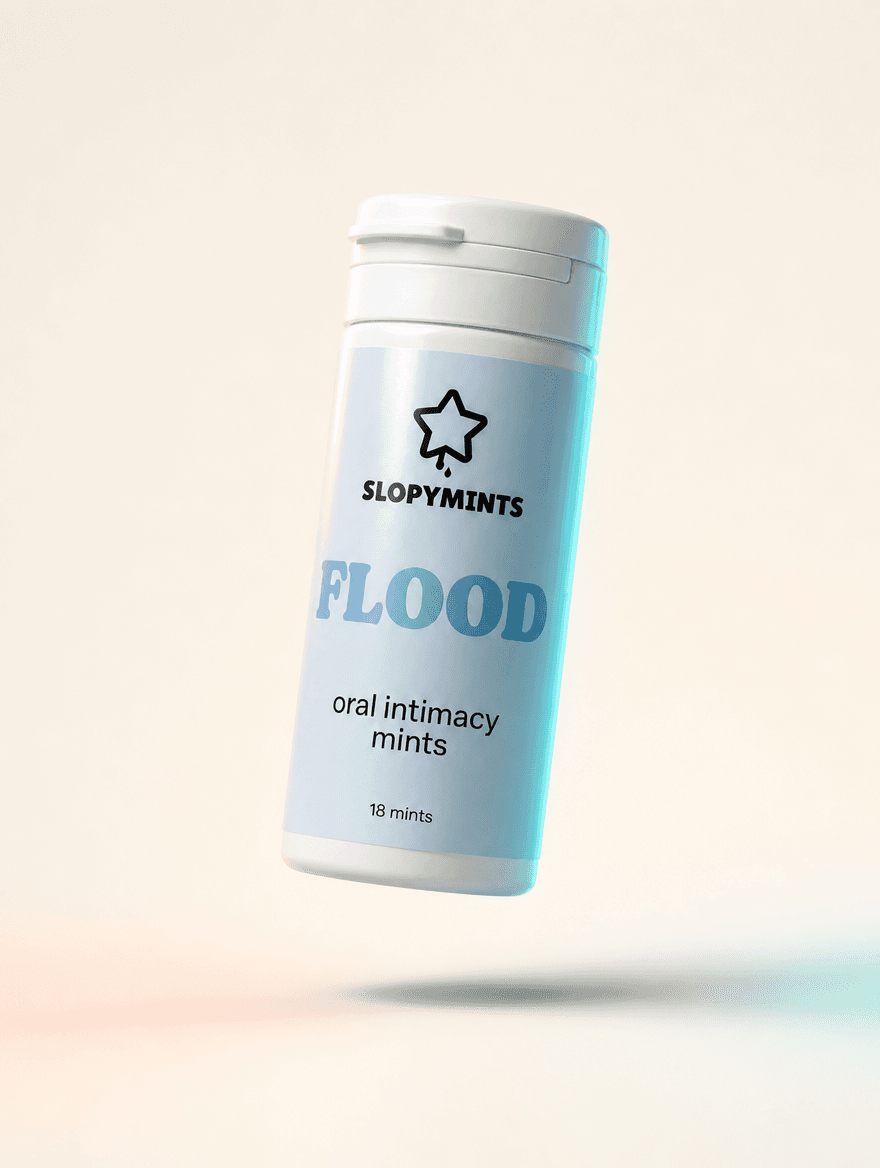
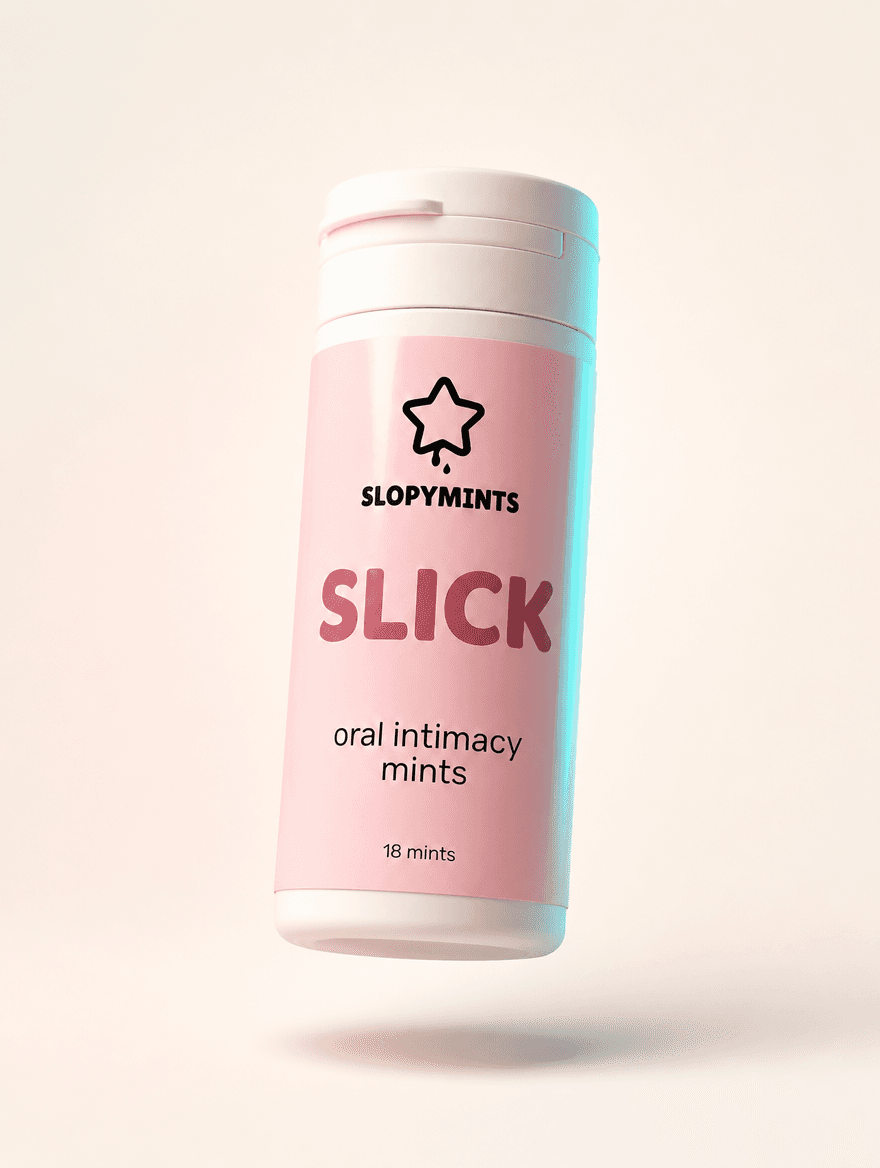
SlopyMints: Medication-Friendly Oral Comfort
SlopyMints is designed to work effectively even when medications reduce your natural saliva production:
Why SlopyMints Works with Medications
- Independent moisture: Provides hydration regardless of your medication status
- Rapid action: Works quickly when you need immediate comfort
- Long-lasting effects: Maintains moisture through medication peaks
- Safe formulation: Food-grade ingredients suitable for medication users
Medication Users' Experience
- Restored confidence: No longer worrying about medication timing
- Improved intimacy: Comfortable oral experiences despite medications
- Better adherence: Reduced temptation to skip necessary medications
- Enhanced well-being: More comfortable daily life and intimate relationships
Creating Your Medication Management Plan
Taking control of medication-related dry mouth involves a comprehensive approach:
Assessment Phase
- Review all medications with your doctor
- Track when dry mouth symptoms occur
- Identify patterns related to dosing times
- Consider medication alternatives if appropriate
Management Strategies
- Implement preventive hydration habits
- Use targeted oral comfort products
- Schedule intimacy around medication effects
- Maintain excellent oral hygiene
Monitoring and Adjustment
- Regular check-ins with healthcare providers
- Adjust strategies based on effectiveness
- Stay informed about new treatment options
- Celebrate improvements in comfort and confidence
The Bottom Line: Medication Use Doesn't Mean Sacrificing Comfort
While many medications cause dry mouth, you don't have to choose between your health and intimate comfort. Understanding your medications' effects, working with your healthcare providers, and using targeted comfort solutions like SlopyMints can help you maintain satisfying intimate experiences.
Remember: medication-related dry mouth is a common challenge, but it's also a manageable one. With the right knowledge and tools, you can minimize its impact on your intimate life and overall well-being.
Shop Related Products
Read More Articles
What Causes Dry Mouth During Intimate Moments? Understanding the Hidden Triggers
Discover the surprising physiological, psychological, and environmental factors that cause dry mouth during intimate moments. Learn how stress, medications, and timing can affect your oral comfort and what you can do about it.
How Hydration Affects Oral Comfort: The Science Behind Moisture and Intimacy
Discover the critical role hydration plays in maintaining optimal saliva production and oral comfort during intimate moments. Learn how water intake, timing, and environmental factors combine to create the perfect moisture balance.